
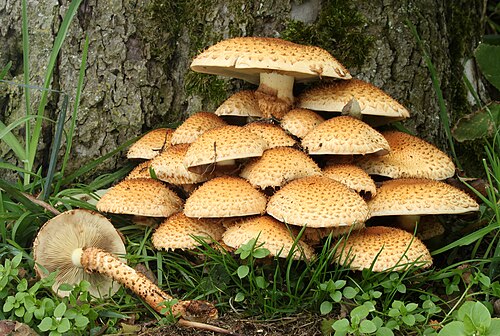
Microdosing magic mushrooms has gained attention in recent years, especially among professionals exploring alternative wellness practices. While discussions often focus on potential cognitive or emotional benefits, the legal landscape surrounding magic mushrooms for microdosing complex and varies widely across regions. Understanding the legal considerations is essential before engaging with this emerging trend.
What Does the Law Say About Microdosing Magic Mushrooms?
In many countries, magic mushrooms are regulated due to the presence of psilocybin, a controlled psychoactive compound. From a legal standpoint, microdosing does not change the classification of the substance. Even small, non-intoxicating amounts are generally subject to the same laws as larger quantities. Statistical reviews of global drug policies show that most jurisdictions do not differentiate between recreational use and microdosing practices.
Are There Countries Where Microdosing Is Legal?
Legal frameworks differ significantly worldwide. Some regions have adopted more progressive approaches, allowing limited possession or use under specific conditions. However, data from policy tracking organizations indicate that full legality remains rare. In certain areas, decriminalization has reduced penalties, but this does not equate to lawful use. It is important to note that decriminalized substances can still be confiscated, and legal consequences may apply in regulated environments.
How Do Laws Vary by State or Region?
Within the same country, laws can vary at the state or local level. Statistics from legal monitoring agencies reveal that urban regions are more likely to explore reform, while national laws often remain unchanged. This creates a layered legal system where enforcement priorities differ. Individuals may encounter legal gray areas that depend heavily on local governance rather than federal statutes.
Does Medical or Research Use Change Legal Status?
In controlled research or clinical settings, psilocybin may be legally studied under strict regulatory approval. However, these exemptions do not extend to personal use. Surveys of clinical trials highlight that participants access microdosing protocols only through licensed institutions. Outside of these frameworks, possession or use typically remains restricted.
What Are the Legal Risks of Non-Compliance?
Legal risks can include fines, confiscation, or more serious penalties depending on jurisdiction. Statistical analyses of drug enforcement cases suggest that outcomes often depend on quantity, intent, and prior legal history. Even in regions with relaxed enforcement, uncertainty remains a significant concern for individuals exploring microdosing without legal clarity.
Why Staying Informed Matters
The legal status of microdosing magic mushrooms continues to evolve as public opinion and scientific research expand. Policy trend data shows increasing discussions around reform, yet current laws still dominate enforcement. Staying informed through reliable legal and regulatory sources helps reduce risk and supports responsible decision-making.
Final Perspective
Microdosing magic mushrooms exists at the intersection of cultural interest, scientific inquiry, and legal regulation. While the practice is widely discussed, legality should never be assumed. A clear understanding of regional laws and ongoing policy changes is essential for anyone seeking informed awareness of this topic. As legislation continues to shift, legal considerations remain a critical part of the broader conversation.