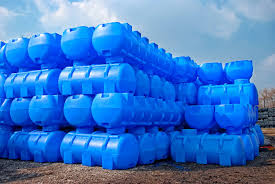

Rotational molding, also known as rotomolding, has emerged as a leading manufacturing process for durable plastic products. Its versatility, cost-effectiveness, and ability to create high-strength items make it a popular choice across industries. Here, we explore current trends, advantages, and key statistics shaping the landscape of rotational molding.
What makes rotational molding ideal for long-lasting products?
Rotational Molding offers a unique ability to produce hollow, seamless products with uniform wall thickness. This characteristic significantly improves durability, reducing weak points that are common in other plastic manufacturing methods. According to recent industry reports, products manufactured through rotational molding exhibit 30–50% higher impact resistance compared to standard injection-molded items of similar weight.
Which industries are driving growth in rotational molding?
The demand for long-lasting plastic products is increasing across several sectors. Industrial storage tanks, chemical containers, and automotive components are major applications. Additionally, outdoor and recreational equipment, such as kayaks and playground components, are increasingly adopting rotomolded plastics due to their resilience against weather and UV exposure. Market analysis indicates that the global rotational molding industry is expected to grow at a compound annual growth rate (CAGR) of over 6% over the next five years, reflecting heightened adoption in both commercial and consumer markets.
How does rotational molding contribute to sustainability?
Sustainability is a growing concern, and rotational molding offers advantages in this area. The process generates minimal waste as excess material can often be reused, and the seamless design reduces the need for additional fasteners or reinforcements. Studies show that rotational molding can cut production waste by up to 20% compared to other conventional plastic manufacturing methods. Moreover, the longevity of rotomolded products translates into fewer replacements, indirectly reducing environmental impact.
What are the technological trends in rotational molding?
Innovation in rotational molding continues to evolve. Modern techniques now allow for multi-layered products that combine different materials for enhanced strength, UV resistance, and chemical durability. Advanced computer-aided design (CAD) software ensures precise mold designs, improving efficiency and reducing production errors. Automation and robotic-assisted handling are also becoming standard, allowing for higher throughput without compromising quality.
Why are businesses investing in rotomolded solutions?
Businesses are increasingly prioritizing products that offer both cost-efficiency and longevity. Rotomolded plastics provide a strong return on investment due to their durability, minimal maintenance requirements, and versatility in design. Data from manufacturing surveys indicate that over 70% of companies adopting rotational molding report improved product life cycles and reduced warranty claims.
Conclusion
Rotational molding is no longer just a niche process—it is a cornerstone in the production of high-performance, long-lasting plastic products. With continuous technological advancements, sustainability benefits, and robust growth across industries, rotomolding is positioned to remain a preferred choice for manufacturers seeking durable, reliable, and cost-effective solutions.